





How to Ride Sapporo’s Subway, Trams, and Buses
2025/12/12
A Simple Transportation Guide for Foreign Visitors
When you first arrive in Sapporo, the complex web of subways, JR lines, trams, and various bus routes can be a little overwhelming, even when looking at a map. However, once you understand the basics, Sapporo’s public transportation system is actually very simple and easy for travelers to use.
This article explains how to ride Sapporo’s subways, trams, and buses in simple English. Even if you’re visiting Hokkaido for the first time, this guide will help you navigate the city with confidence, from Sapporo Station to Susukino and beyond.
- Overview of Sapporo’s Public Transportation System
Sapporo has three main types of public transportation:
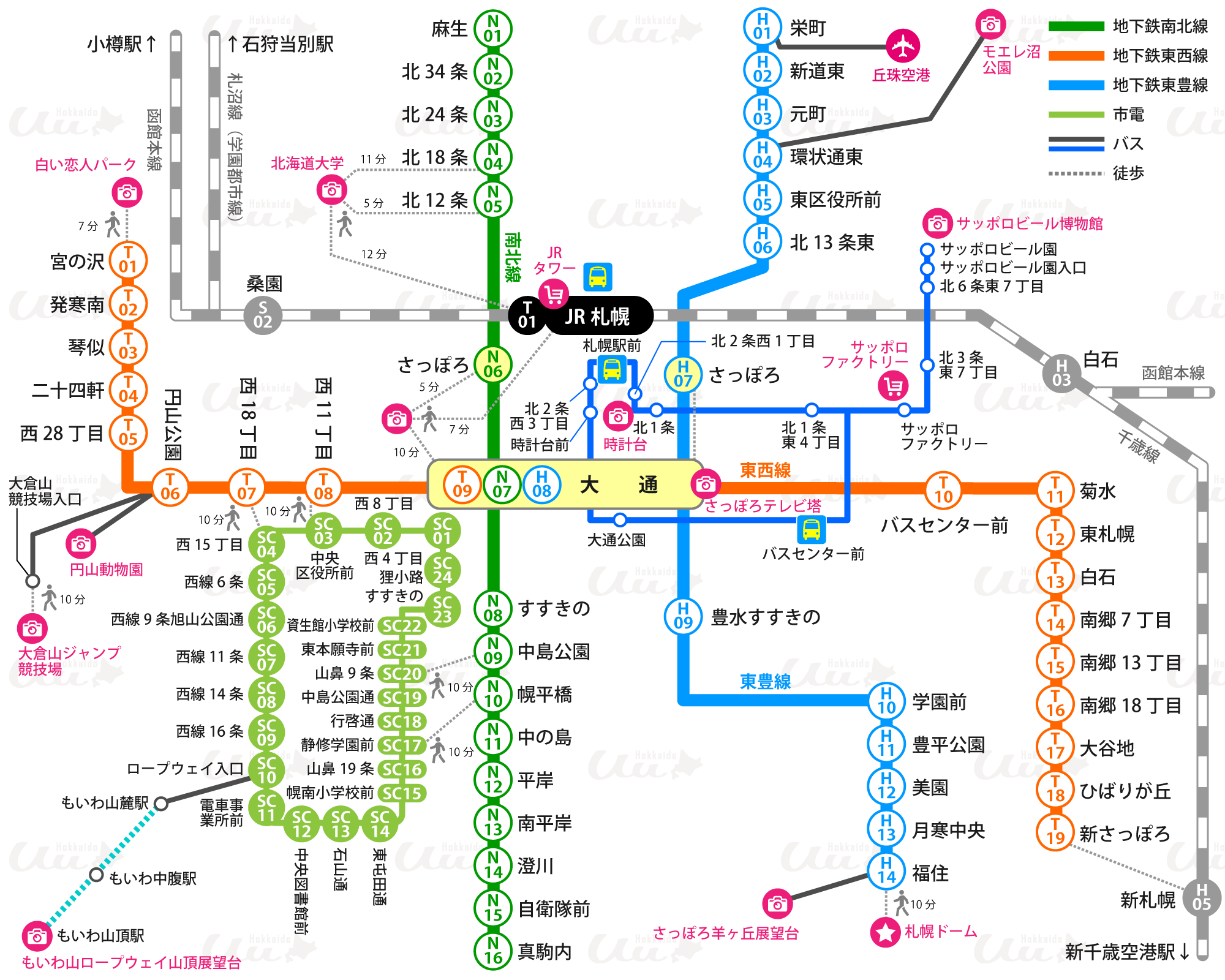
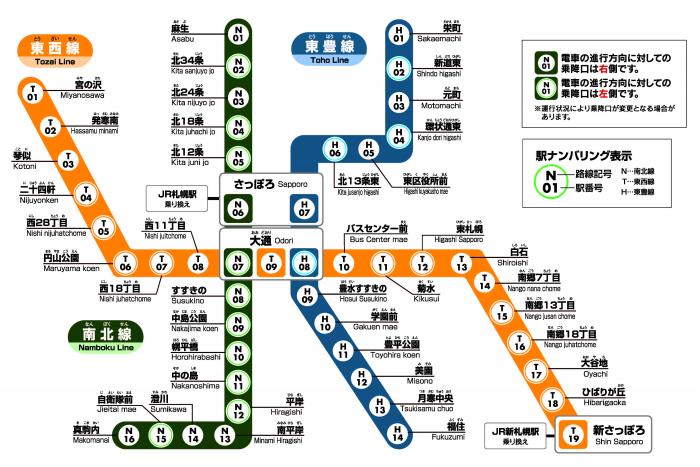
Subway (Metro) – The fastest way to travel around central Sapporo. With only three lines, it’s easy to use.
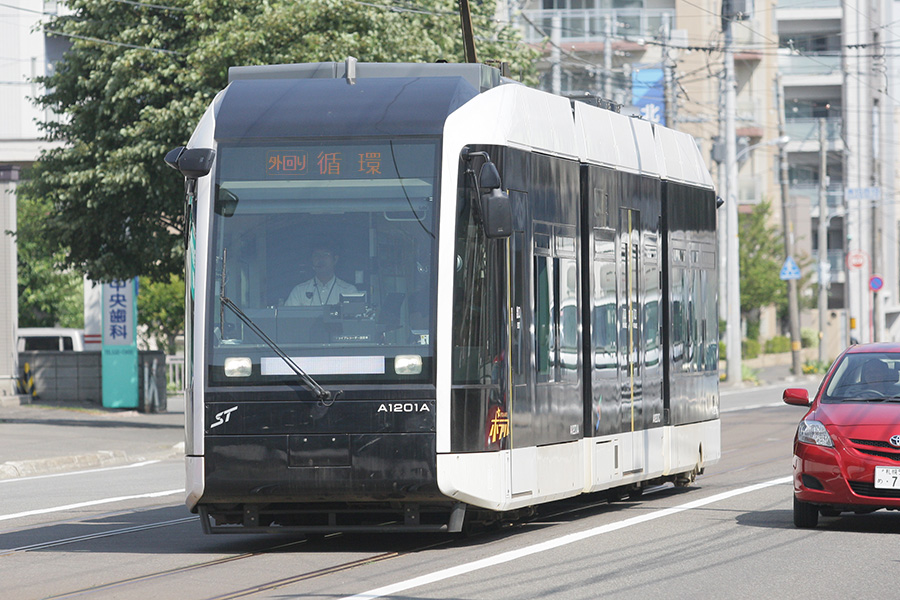
Tram – A circular line that circles the southwest part of the city, including the Susukino area.
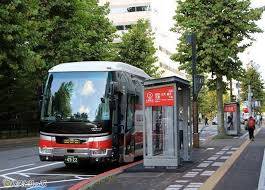
Buses – Used for travel to areas not served by the subway or to suburban areas.
Three Subway Lines
Sapporo has only three subway lines.
Namboku Line (Green) – Runs north-south.

Tozai Line (Orange) – Runs east-west.
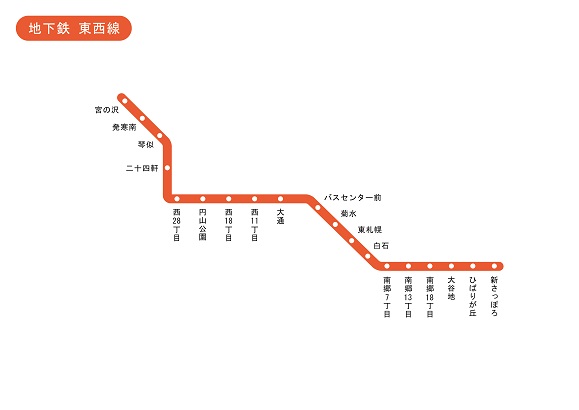
Toho Line (Blue) – Runs northeast.
All three lines converge at Odori Station in the city center. Sapporo Station, Odori Station, and Susukino Station are connected by subway and underground malls, so you can often get around on foot without going outside.
- IC Cards and Tickets: SAPICA, Kitaca, etc.

The easiest way to use public transportation in Sapporo is with a rechargeable IC card. Simply tap the card on the reader when boarding and exiting.
Main IC Cards Accepted in Sapporo
SAPICA – Sapporo’s transportation card.
Valid on the Sapporo subway, trams, and many buses.
Earn automatic transfer discounts and accumulate points that can be used to pay future fares.
Kitaca – JR Hokkaido’s IC card.
It can be used not only on JR lines but also on Sapporo’s municipal transportation (subway, trams, and major buses).
Other IC Cards – Many IC cards from across Japan, such as Suica, PASMO, and ICOCA, can also be used on Sapporo’s subway and buses.
If you already have an IC card issued in Tokyo, Osaka, or another region, you can usually use it in Sapporo without purchasing a new one. If not, a SAPICA or Kitaca card is convenient.
Where to Purchase and Charge an IC Card
You can purchase one at the following locations:
SAPICA can be purchased at subway stations (ticket machines or ticket counters) and some bus offices.
Kitaca can be purchased at JR Hokkaido stations.
Both cards typically cost ¥2,000 for the first purchase (¥500 deposit + ¥1,500 available balance).
Where you can top up your card:
Ticket machines at subway stations
JR stations (Kitaca only)
Some bus terminals and convenience stores
- One-Day Passes: Convenient for Tourists
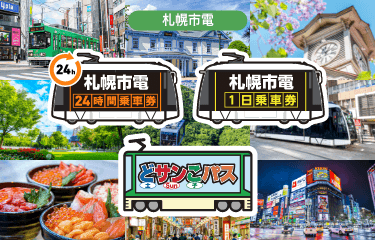
If you plan to ride the subway multiple times a day, purchasing a one-day pass is a good deal.
Popular options (prices are subject to change, so check the ticket machine or the official website for the latest information):
One-Day Subway Pass – Allows unlimited use of the subway for one day.
Donichika Ticket – A discounted one-day subway pass valid on weekends, holidays, and the New Year holidays.
Combined passes that include the subway, tram, and some buses are also available. If you’re staying in the city for a short time, a one-day subway pass and an IC card are all you need.
- How to Use the Subway
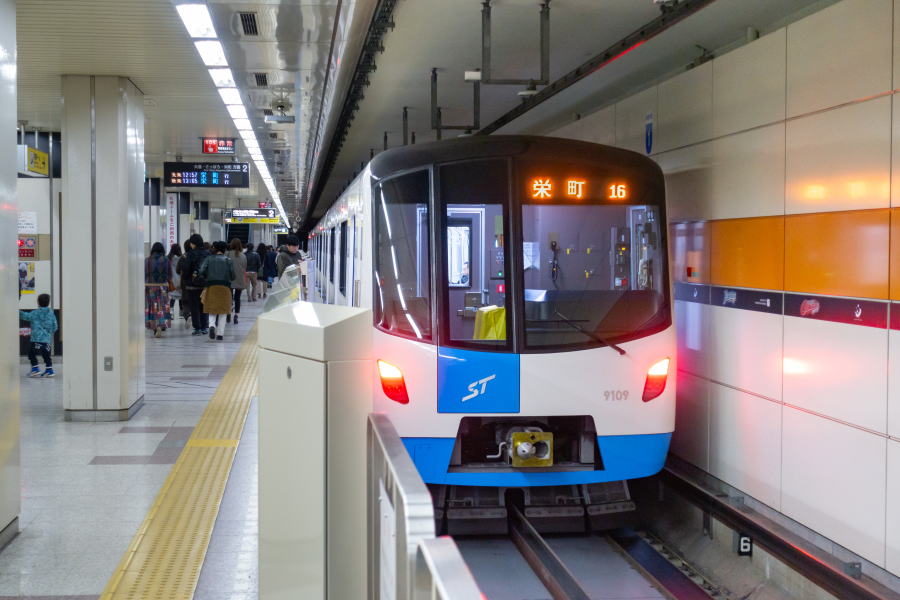
Here’s a simple step-by-step guide to using the subway in Sapporo.
Step 1: Check your route
Look at the route map above the ticket machine or on the wall.
Check your current and destination stations.
Note: Stations are numbered (e.g., N07, T09, H08), making it easy to navigate even if you can’t read Japanese.
Step 2: Buy a ticket or use an IC card
If you have a SAPICA, Kitaca, or other IC card, simply tap your card on the reader at the ticket gate.
If using a paper ticket:
Check the fare table for your destination.
Select the fare at the ticket machine.
Insert coins or bills and receive your ticket.
Step 3: Enter the ticket gate
Tap your IC card or insert your ticket.
If you have an IC card, the balance will be displayed and the ticket gate will open.
Step 4: Find the correct platform
Follow the signs indicating your line (Namboku Line, Tozai Line, Toho Line) and direction (e.g., “To Susukino” or “To Sapporo”).
Signs are usually written in Japanese and English, but may also be written in Chinese and Korean.
Step 5: On the Train
Wait for passengers getting off before boarding the train.
Stand or sit quietly and avoid talking on the phone.
When the train is crowded, carry your backpack in front of you to save space.
Step 6: Get off at your destination
Once you arrive, follow the signs for the exit you need (e.g., Odori Park, Susukino Crossing, Sapporo Station Underground Mall).
Swipe your IC card or insert your ticket at the exit gate.
- How to Use
Sapporo City Tram (Streetcar)
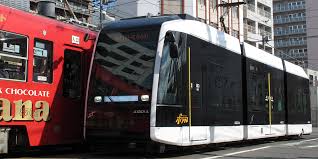
Sapporo’s streetcars travel in a circular loop around the southwestern part of the city, passing through the Susukino area and surrounding areas. They’re a great way to see places the subway can’t reach and get a glimpse of everyday life.
Basic Rules:
In most cases, board through the rear door.
Swipe your IC card or receive a numbered ticket (if paying with cash).
When exiting at the front door, swipe your IC card again or pay cash at the fare box next to the driver.
Fares are usually flat (one fare per ride) within the loop line.
SAPICA, Kitaca, and many other IC cards are also accepted on the streetcars, making it a convenient option for tourists.
- Using Buses in Sapporo
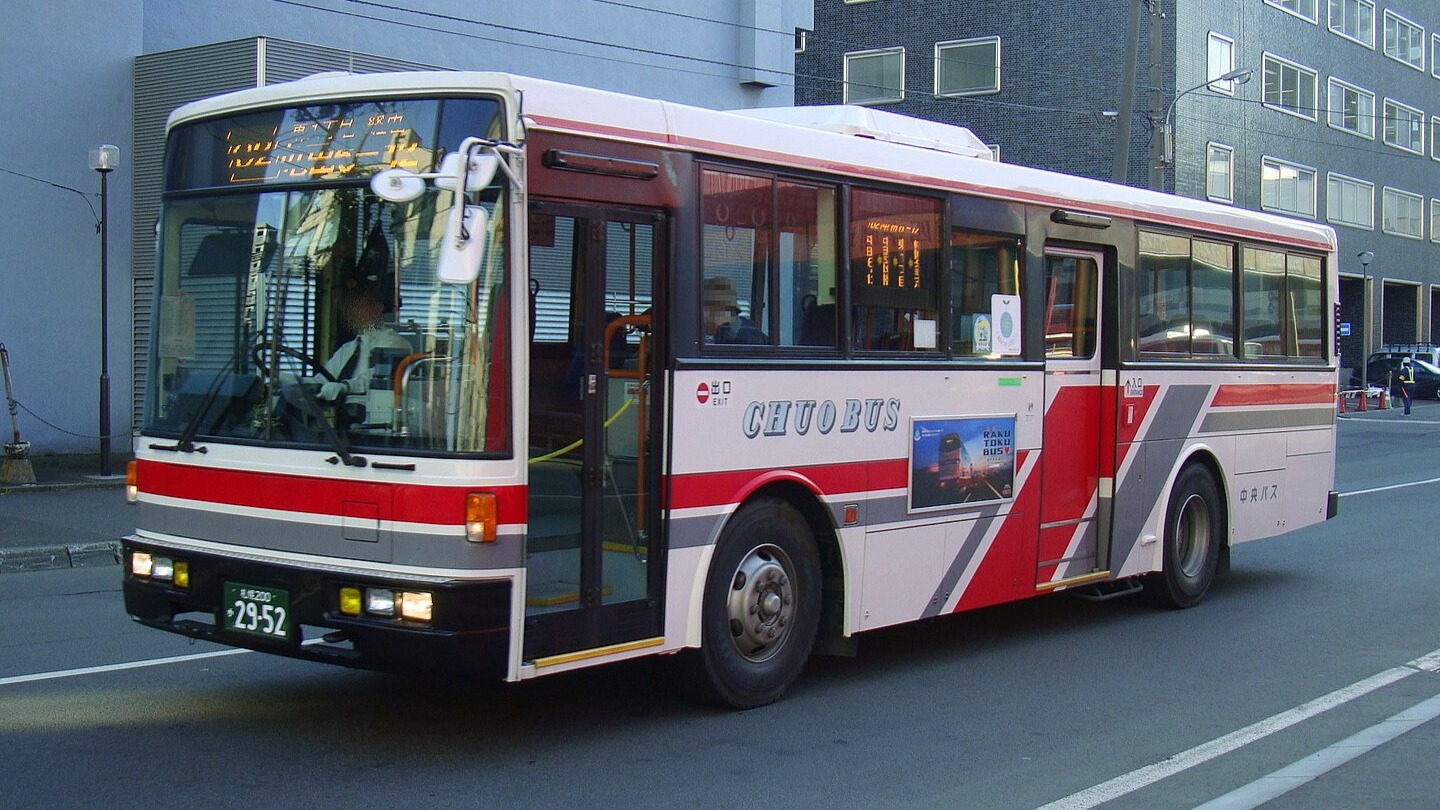
Buses connect central Sapporo with many residential areas, suburbs, and neighboring towns.
Key Points:
There are several bus companies, including Hokkaido Chuo Bus, JR Hokkaido Bus, and Jotetsu Bus. Most accept IC cards such as SAPICA and Kitaca.
Boarding:
On most routes, board through the rear door and tap your IC card or receive a numbered ticket.
When disembarking at the front, tap your IC card again or pay in cash according to the fare displayed.
Check the screen at the front of the bus. On many major routes, the next stop is displayed in both Japanese and English.
If you’re unsure, you can show the driver the stop name on your mobile phone screen. Most drivers aren’t fluent in English, but they’ll accommodate simple tourist requests.
- Travel Smoothly and Local Etiquette
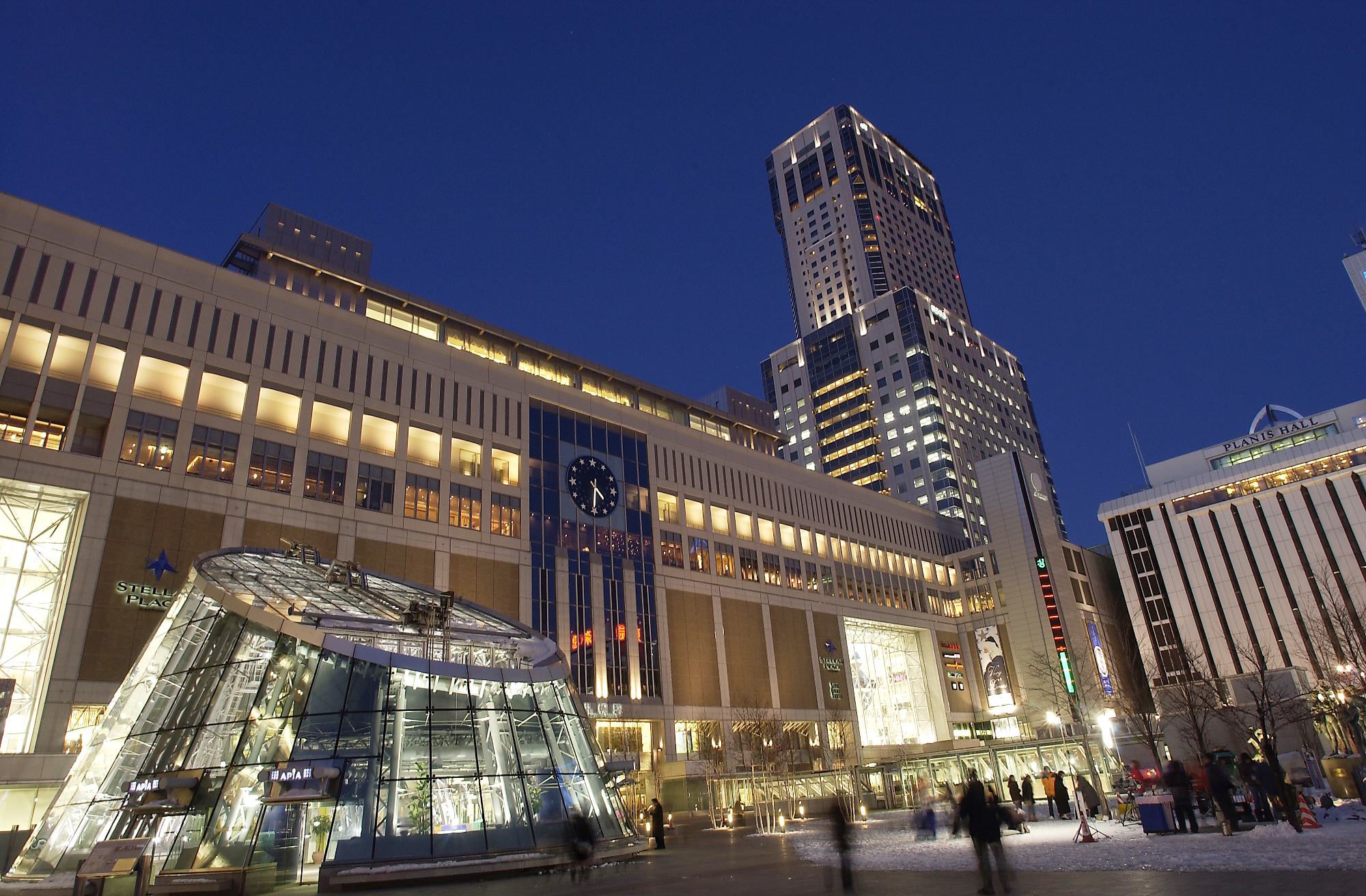
To enjoy Sapporo like a local, remember these simple rules:
Line calmly: Form a line at the platform or bus stop and wait your turn.
Stay quiet on the bus: Keep your voice low and use headphones when listening to music or watching videos. No talking on the train: Sending and receiving messages is fine, but long phone calls are considered rude.
Winter Tips:
Platforms and stairs can be slippery due to snow and ice.
During heavy snowfall, allow extra space when moving between stations.
Go with the flow on escalators: In most parts of Japan, you stand on one side and leave space on the other, but the rules are changing. The easiest way to do this is to imitate what the locals do on escalators.
Unknown Japan
- Sapporo Feels Small
Sapporo may seem large and spacious at first glance. However, once you learn how to use the subway, trams, and buses, it becomes much smaller and more comfortable.
For easy access to most places, try to stay near Sapporo Station or Susukino.
Using an IC card means you don’t have to calculate your fare each time.
If you plan to visit multiple areas in one day, consider purchasing a one-day pass.
With a little practice, you’ll be able to navigate stress-free, from the parks of Odori to the neon-lit streets of Susukino, and from the shopping malls at Sapporo Station to the quiet residential areas.
We hope this guide helps you navigate smoothly, stay safe in the winter, and make the most of what Sapporo has to offer during your stay.


Post a comment